When to Start Weed Control and Fertilization in Dothan for Best Results
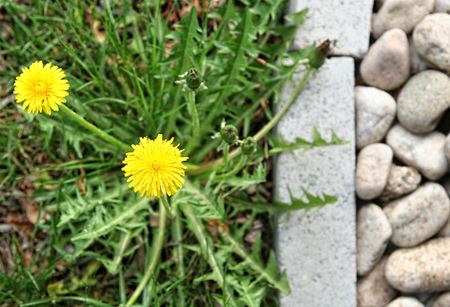
If you’re wondering when to begin weed control and fertilization in Dothan, you’re not alone. Our warm, wet summers and mild winters create a long growing season, so timing isn’t just helpful, it’s the difference between chasing weeds and enjoying a lawn that stays thick and green.
The short answer is to begin before weeds wake up and feed your grass when it’s ready to grow. That’s why many Dothan homeowners choose a professional, seasonal plan that kicks off ahead of peak growth and stays consistent through the year, like our weed control and fertilization program designed for South Alabama lawns.
As a local lawn care company, Yards Unlimited LLC Weed Control and Fertilization builds schedules around Dothan’s climate and the grasses we see most: centipede and St. Augustine. Below is a clear look at how timing works here in the Wiregrass and what to expect from a well-run program.
Why Timing Matters in Dothan’s Climate
Dothan sits in a warm, humid zone, which means weeds don’t need much of an invitation. They sprout fast when days warm up and keep popping through fall if conditions are right. Your grass, meanwhile, has a rhythm of its own. Centipede and St. Augustine wake up slowly, build strength into summer, and ease off when nights cool again.
Good timing leverages that rhythm. Pre-emergent treatments go down before new weed seeds crack open. Post-emergent treatments clean up what slips through. Fertilization happens only when your turf is ready to use it, so growth is steady, not stressed. Done together and on time, the lawn gets ahead of weeds and keeps the upper hand all season.
The Seasonal Lawn Treatment Schedule That Works in Dothan
Late Winter: Pre-Emergent Foundation
Before spring weeds can get moving, your lawn benefits from a well-timed pre-emergent barrier. This first step targets notorious spring invaders that love South Alabama’s early warm-ups. It sets the tone for the year by reducing the surge you’d otherwise see in early spring.
Spring: Targeted Post-Emergent and First Feeding
As the lawn greens up, a spot-focused post-emergent treatment handles any early escapes while the first feeding encourages healthy, dense turf. With centipede and St. Augustine, patient timing matters. Feeding too early or too heavily can do more harm than good when the grass is still waking up. A pro will time the application so nutrients are used for real growth, not wasted or washed away.
Summer: Reinforcement and Turf Health
Summer heat and storms challenge lawns across Dothan. Midseason treatments help keep pressure off, and a balanced feeding strengthens the grass during peak growth. When the turf is thick and healthy, sunlight can’t reach the soil as easily, which naturally slows new weed seedlings.
Early Fall: Second Pre-Emergent for Winter Weeds
As nights start to cool, winter weeds begin their own cycle. A second pre-emergent application creates a protective layer that targets weeds you’d see in late fall through early spring. This timing is critical in our area because winter weeds germinate long before many people expect them.
Late Fall and Winter: Monitoring and Soil Health
Grass growth slows, but care continues. A final cleanup for persistent weeds and a check on soil health finish the year strong so your lawn is ready to roll when the next spring window opens. Consistency is the secret sauce, and this steady cadence helps your lawn win the long game.
Centipede and St. Augustine Care Notes for South Alabama
Centipede and St. Augustine dominate many Dothan neighborhoods because they love heat and handle our soils well. They also have their quirks, and timing respects those traits:
- Centipede prefers a lighter feeding approach, and it responds best after the lawn has clearly greened up.
- St. Augustine appreciates steady nutrition during warm months and careful weed control that won’t stress tender stolons.
- Both benefit from clean edges and consistent suppression of broadleaf and grassy weeds before they spread.
If your lawn is mostly shade, St. Augustine may need even more precise timing and gentler feeding to avoid thinning. The right plan protects what makes each grass shine, so the whole yard looks uniform from curb to back fence.
What Weeds Are We Planning Around in Dothan
You’ll see different weeds at different times in the Wiregrass. Our programs account for the shift in seasons and the species that follow them:
- Warm-season offenders: crabgrass, goosegrass, chamberbitter, spurge, and doveweed.
- Cool-season offenders: annual bluegrass, henbit, chickweed, and roadside-type broadleaf weeds.
These species thrive when the soil is exposed and thinned. By building density with scheduled fertilization and catching weeds before they set seed, we lower the pressure year after year.
Signs It’s Time to Start Weed Control and Fertilization
Every lawn warms up at its own pace, but the cues below are reliable in Dothan:
Look for a steady green-up across sunny areas, not just a few bright patches. Notice when mowing is needed more often, and the lawn holds color between cuts. When those signs show up, your grass is ready to use the nutrients and outgrow early weeds. Waiting too long lets weeds grab open space and forces more aggressive cleanup later.
How a Pro Builds a Seasonal Lawn Treatment Schedule
Professional timing doesn’t rely on guesswork. It blends local weather trends with what we see on the ground each week. That means starting the season proactively, adjusting for heat waves or heavy rain, and staying just ahead of each new weed cycle.
Here’s what a well-run approach from Yards Unlimited LLC Weed Control and Fertilization typically includes:
- A preseason plan that targets likely weed flushes before they appear
- Timed feedings that match the actual growth curve of centipede and St. Augustine
- On-the-spot adjustments if a new weed shows up or weather shifts suddenly
- Clear notes after each visit so you know what was applied and why
The Best Time to Treat Weeds in South Alabama
Because our growing season is long, “best time” isn’t a single date. It’s a sequence that starts in late winter and repeats with purpose through fall. That sequence is what protects your investment, supports your turf at the right moments, and prevents weeds from becoming the main story.
If you’re starting fresh, the smartest move is to begin now and let the schedule run its course through the seasons. You’ll see fewer weeds and a more even lawn as each pass builds on the last. If you’ve already had spring weeds break through, midseason isn’t too late. The program simply pivots to cleanup first, then protection.
Neighborhood and Weather Realities Around Dothan
Whether you’re near Westgate Park, out toward Taylor, or headed up past the circle, lawns here share similar pressures: heat, sudden downpours, and long stretches of growing weather. That mix is tough on timing if you treat the yard only when it looks stressed. A consistent schedule, built for Dothan’s conditions, keeps the lawn even through those ups and downs.
You might notice certain streets greening up sooner than others. That’s normal. Shaded yards lag a bit and low spots stay wet longer after storms. A professional program accounts for those micro-differences without changing the overall cadence that makes weed control and fertilization work here.
What You’ll Experience With Yards Unlimited LLC Weed Control and Fertilization
With Yards Unlimited LLC Weed Control and Fertilization, you get a plan that covers prevention, cleanup, and nutrition in one. We document each visit, explain what’s next, and track how your centipede or St. Augustine lawn responds over time. If a stubborn patch shows up, we adapt the next pass instead of waiting for weeds to spread.
Many homeowners tell us the biggest relief is predictability. The calendar isn’t a mystery, and results don’t depend on guesswork or last-minute fixes. That predictability is how our weed control program stays both effective and easy to live with.
Putting It All Together: A Simple, Proven Path
Here’s the idea in plain terms for a seasonal lawn treatment schedule in Dothan:
• Start the year with prevention before spring weeds appear
• Feed when the grass is truly growing, not just waking up
• Reinforce midseason so density stays high in the heat
• Block winter weeds with early fall protection
• Monitor late fall through winter so the next spring starts clean
Follow that rhythm, and you’ll spend less time worrying about what’s next and more time enjoying the yard. The result is a lawn that holds its color, feels thicker underfoot, and crowds out weeds naturally.
Let Yards Unlimited LLC Weed Control and Fertilization handle the timing so weeds don’t get a head start and your grass gets what it needs, when it needs it. Call 334-796-3488 or schedule our weed control and fertilization today for a season of steady, visible results.
Take Control of Your Lawn’s Health In Dothan Get Your Free Weed Control Quote!