Weed Control Mistakes That Keep Dothan Lawns Thin and Patchy
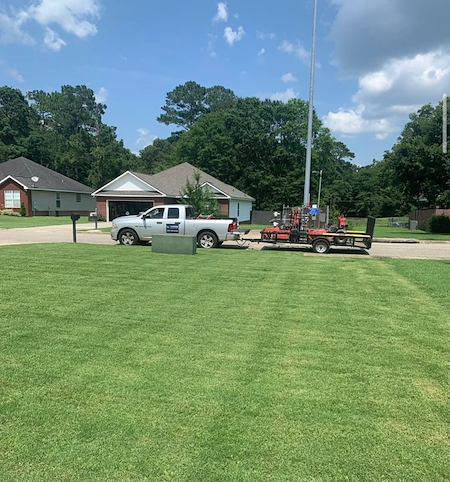
If your grass still looks weak after every mowing, you may be running into weed control mistakes in Dothan that quietly thin turf and open the door for more invaders. This guide explains the most common pitfalls and how a professional program solves them with the right timing, products, and nutrient plan. When you want a fast path to thicker grass, ask our team about weed control & fertilization tailored to local lawns.
Why Thin, Patchy Grass Happens In Dothan, AL
Dothan’s hot, humid summers and mild winters push warm‑season grasses to grow fast, then stress them during late-summer heat or winter swings. Weeds love those stress gaps. If treatments are mistimed or the soil is short on nutrients, opportunistic weeds take over, steal sunlight and moisture, and your lawn loses density.
Most homeowners aren’t doing “nothing.” They’re just doing a few things out of sequence. In our Wiregrass climate, that sequencing matters as much as the products.
Mistake 1: Treating Weeds Without A Plan For Fertility
Spot spraying without feeding the grass is like bailing water without fixing the leak. Weeds return because the turf never fills in. Grass needs consistent nutrition to compete, especially centipede, Bermuda, and zoysia, which are common around Dothan.
That’s why pros pair weed control with a nutrition plan that supports recovery and density. Thicker turf shades soil, blocks germination, and reduces future outbreaks. Thin lawns invite more weeds. Dense grass is your best long‑term weed control.
Mistake 2: Missing Pre‑Emergent Windows In The Wiregrass
Pre‑emergents must be down before germination. Waiting until you see weeds means you switched from prevention to chase mode. In Dothan, shifting temperatures and spring rain can make that window feel small, and a single miss can lead to months of crabgrass and spurge pressure.
Professionals track soil temps and align applications with local patterns, then follow up with selective post‑emergents. That combination prevents the first wave and cleans up escapes so your turf can thicken rather than play catch‑up all season.
Mistake 3: Using The Wrong Products For Your Grass Type
Centipede, Bermuda, and zoysia don’t respond the same way to herbicides or fertilizer. A product that is safe for one grass can injure another. Too much quick‑release nitrogen can scorch centipede and trigger disease. The wrong broadleaf control can discolor Bermuda during stress.
Pros choose selective formulas and staged feeding that match your turf and season. Always verify your grass type before using any herbicide or fertilizer. Matching chemistry to turf keeps color, density, and root strength moving in the right direction.
Mistake 4: Watering And Mowing Habits That Help Weeds Win
Under‑watering during heat spells can thin turf. Over‑watering after rain stretches root zones shallow and invites disease. Mowing too short scalps the crown and exposes soil to sunlight, which encourages warm‑season weeds to germinate fast.
Professionals coordinate irrigation guidance and mowing height with each treatment so the lawn recovers instead of retreating. It isn’t about doing more. It is about doing the right things together so density builds and weeds lose their foothold.
Mistake 5: Ignoring Soil Health And Compaction
Compacted soil starves roots of air and traps water at the surface. Weeds with shallow, aggressive roots thrive there while turf struggles. If soil can’t breathe, even the best weed control fizzles because grass cannot fill the gaps.
Targeted core aeration opens channels for air, water, and nutrients so roots dive deeper and the lawn thickens. For stubbornly hard or uneven areas, topdressing pairs with aeration to improve soil structure and smooth the surface. Learn how relieving compaction lifts turf density in our article about how aeration can transform your lawn’s health.
Mistake 6: Chasing Every Weed, Mixing Too Much, Or Spraying Too Often
Grabbing a different bottle for each weed patch's symptoms, but can stack active ingredients in ways your turf cannot handle. Some mixes cancel each other, others amplify burn risk in heat. Re‑spraying early “just to be sure” can also injure stressed grass.
Integrated programs use a few proven, compatible chemistries on a clean schedule. That protects your turf while steadily shrinking the seedbank. When products are unknown or overlapping, the safest move is to press pause and get a pro evaluation.
Mistake 7: Treating Beds And Edges Like Turf
Flower beds and hardscape edges host different weed species and ornamental plants that react differently to herbicides. Treating beds with turf products risks injury to shrubs and perennials, and it rarely solves rhizome or vine issues that creep from edges into grass.
Pros separate bed control from turf programs and use selective strategies around ornamentals and fence lines. That keeps the entire landscape healthy instead of trading a green lawn for damaged beds.
How A Pro Program In Dothan Fixes All Seven
A professional plan does three things at once: prevents new weeds, removes existing weeds, and fuels the grass to outcompete the rest. Here is how that looks when it is dialed in for our climate.
- Seasonal pre‑emergent on time, then selective post‑emergent to clean up escapes.
- Measured, turf‑specific feeding that builds density without burn or surge growth.
- Compaction relief and cultural guidance so roots deepen and stress tolerance rises.
If you want a lawn that fills in instead of fighting the same patches again, lean on a local team that builds density first. See what a complete plan includes on our weed control & fertilization page.
DIY Vs Professional Weed Control In Dothan
Store shelves are full of options, but they are not built around your turf type, soil, and timing. That is why many DIY lawns see a brief improvement and then a late‑season slide. A professional program sequences the right materials with the right follow‑ups, which keeps pressure low when our weather swings.
Homeowners often tell us they were treating “harder” and spending more time yet getting less. The difference is calibration and scheduling. With a pro, you get the correct rate, nozzle, and interval for the target weed and season. That protects your turf from collateral damage and steadily thickens the lawn.
Local Patterns We Watch So You Don’t Have To
Dothan’s summer storms, fluctuating spring soil temps, and warm fall can stretch or shrink treatment windows. Windy afternoons can increase drift risk, and late heat can stress your grass even after it greens up. Small timing misses add up to thin turf by late summer. Tracking those patterns is our everyday job, so your lawn stays on schedule even when the weather does not cooperate.
Soil, Compaction, And The Density Advantage
When compaction is the hidden culprit, weed control alone will disappoint. Aeration changes the root zone so fertilizers and water work harder for you. If your yard has heavy play areas or vehicles off the driveway, consider pairing your next visit with aeration to push roots deeper and close bare spots quickly.
Want to explore more signs that your yard needs a program rather than a one‑off spray? Read our quick checklist in 5 signs your lawn needs weed control & fertilization. It is a helpful way to decide what your lawn is telling you before the summer rush.
Choosing A Trusted Local Team
You deserve a lawn partner who answers fast, shows up on time, and adjusts the plan for your property. If you are researching options, start with a simple goal: thicker turf and fewer weeds every month. That goal keeps the focus on results, not just visits.
- Look for clear communication about grass type, timing, and expected outcomes.
- Expect a plan that pairs weed control with nutrition and soil improvement.
- Ask how they handle weather delays and tough seasons so your schedule stays effective.
For a deeper look at services, service areas, and recent projects, you can explore our site. If you prefer a single starting point, here is our home base for top-quality weed control in Dothan, AL, and other solutions built for local lawns.
What Working With Yards Unlimited LLC Weed Control and Fertilization Feels Like
We keep it simple. First, we evaluate your turf, soils, and shade. Next, we map out a sequence that prevents new weeds, removes the current ones, and feeds the grass so it fills in. Then we stay on schedule, keep you updated, and adjust to the weather. It is steady, low‑stress lawn care that puts density first.
If your yard is near Westgate, Rehobeth, or Headland, we likely service your street already. The sooner your lawn starts a coordinated plan, the faster those thin, patchy areas disappear and the easier it is to hold that thick, green look through summer.
Ready For Thick, Green Grass In Dothan, AL?
Your next step is easy. Call 334-796-3488 to schedule a friendly walkthrough, or start with our targeted program online. When you are ready to stop fighting weeds one spot at a time, choose a plan that builds density and keeps it all season long with Yards Unlimited LLC Weed Control and Fertilization. Get started here: weed control & fertilization.
Take Control of Your Lawn’s Health In Dothan Get Your Free Weed Control Quote!